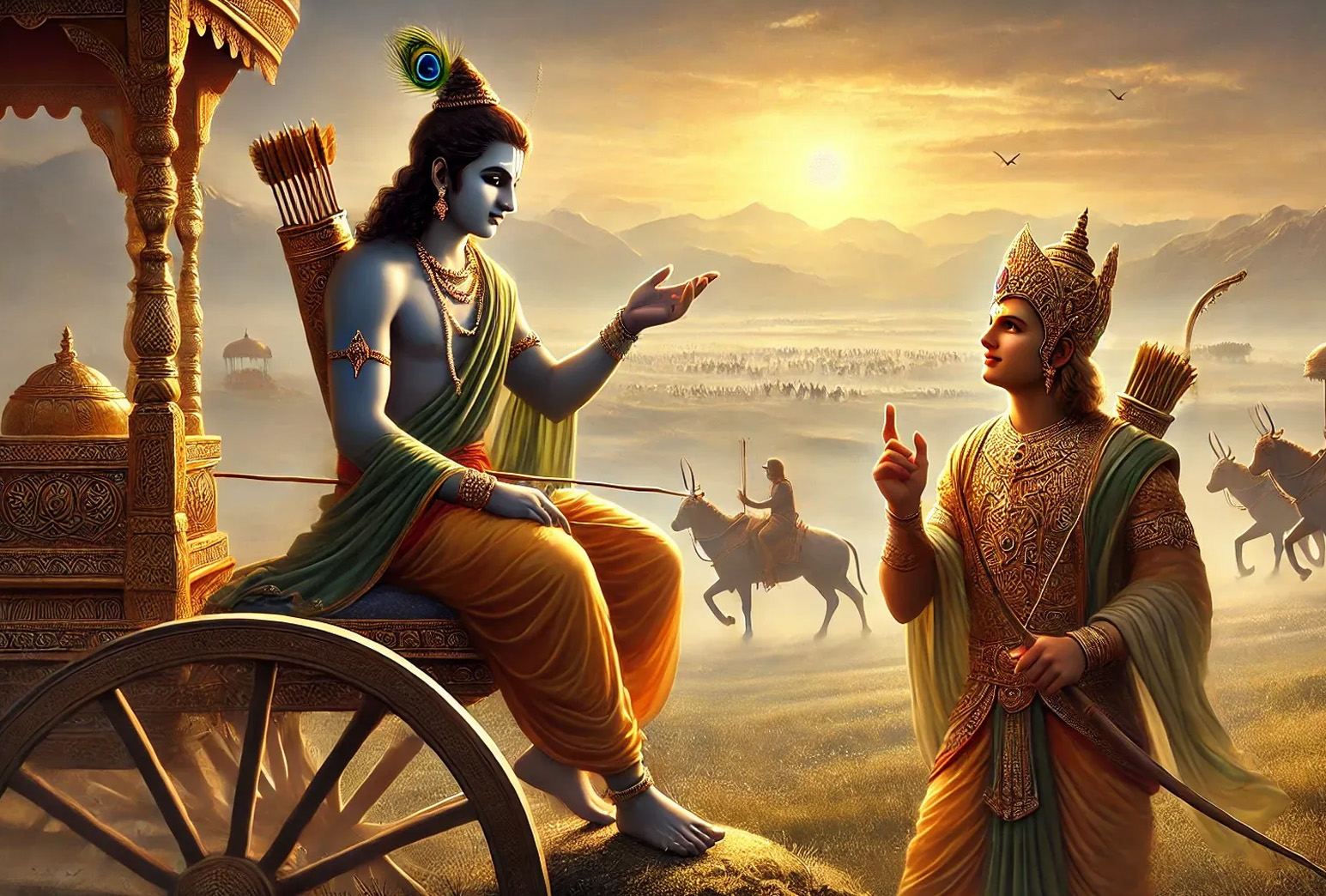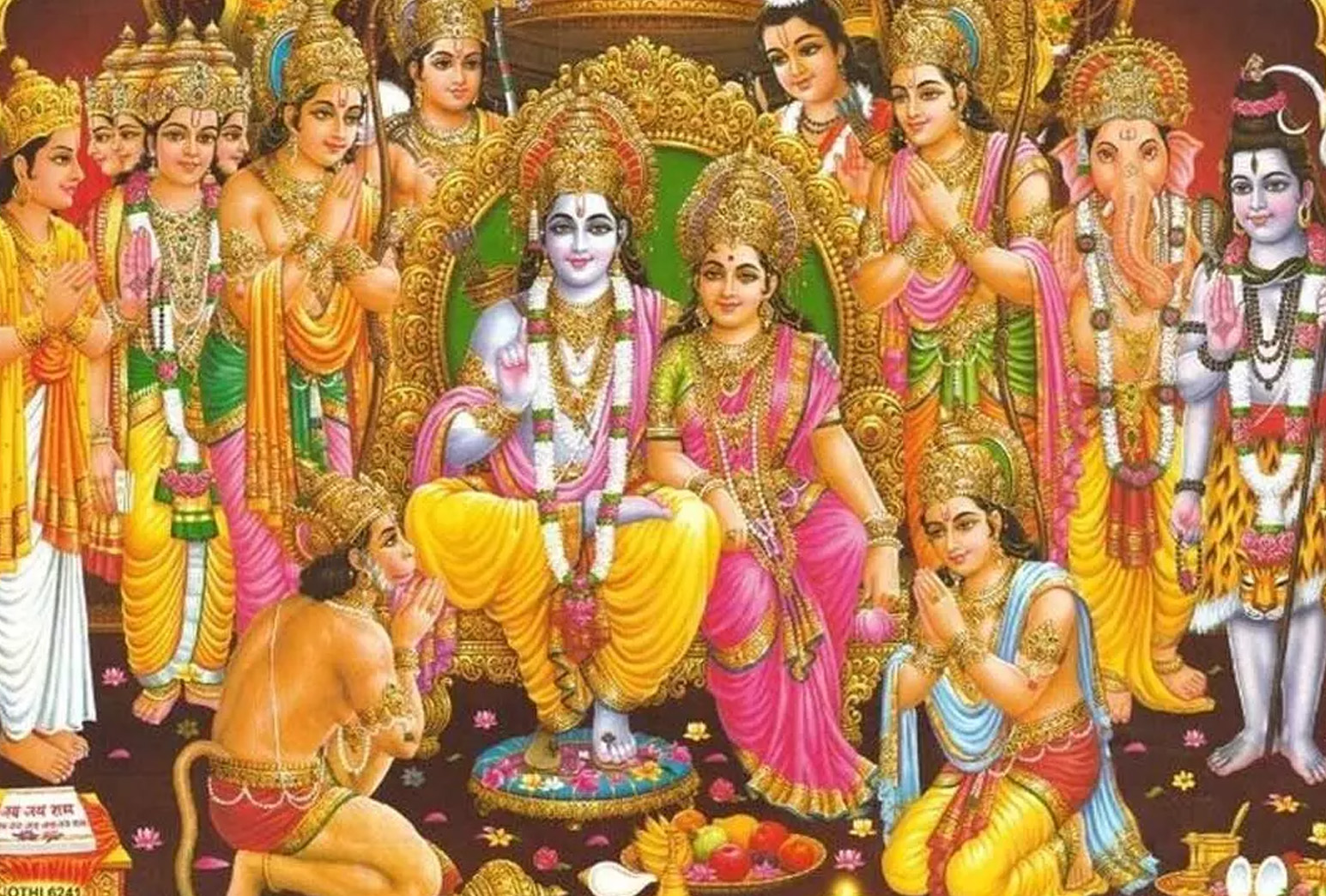







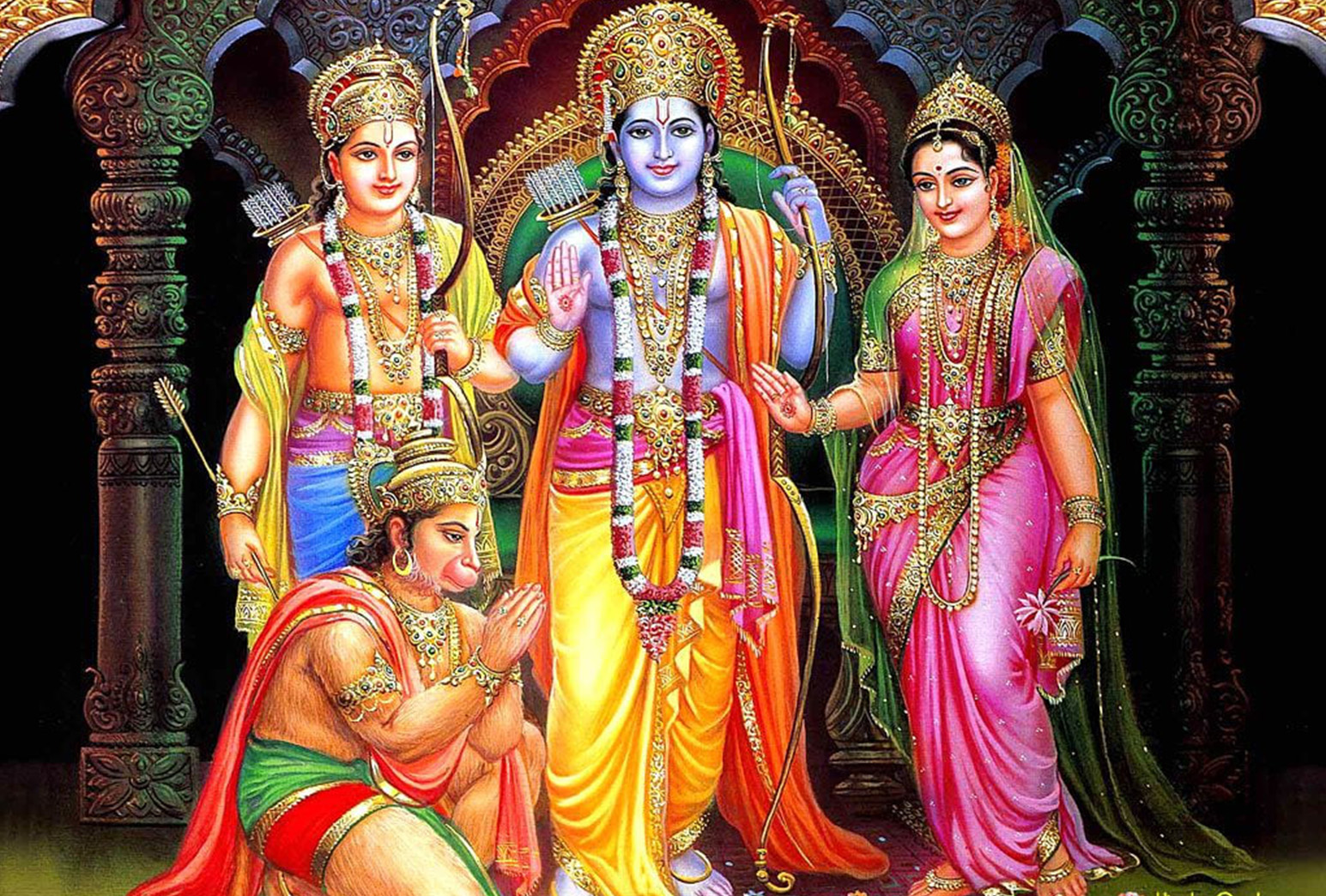
The Ramayana, an ancient epic, is intricately structured into seven sections known as Kaandas: Baala Kaanda, Ayodhya Kaanda, Aranya Kaanda, Kishkinda Kaanda, Sundara Kaanda, Yudha Kaanda, and Uttara Kaanda. These divisions chronicle the profound narrative of Lord Rama.
According to lore, Brahma bestowed a blessing upon the Maharishi, proclaiming that this saga would endure as long as nature—trees, mountains, seas, and rivers—exists. Consequently, myriad sages and revered poets have transcribed the epic throughout history, yet its core essence remains unchanged across versions. Each Kaanda encapsulates a singular thematic unity.
Complementing the traditional text is the “Naama Ramayana,” also partitioned into the same seven sections, attributed to Bhakta Ramadas. This rendition elucidates Lord Rama’s divine attributes, as articulated by Maharishi Valmiki, and is designed for ease of recitation within a brief duration.
It is believed that engaging with the Naama Ramayana can yield the same spiritual benefits as a comprehensive reading of the Ramayana, with elder wisdom suggesting its power rivals that of Vedic chanting. The Naama Ramayana, originally composed in Telugu, has now been translated into English, allowing devotees to chant its 108 names—each embodying the quintessence of the seven Kaandas—in under ten minutes daily, thus fostering a deep connection to the epic’s spiritual legacy.
Enroll