






The Ramayana, an illustrious ancient Indian epic attributed to the sage Valmiki and composed circa the 5th century BCE, chronicles the poignant saga of Rama, the exiled prince of Ayodhya, and his eventual triumphant return. Spanning approximately 24,000 verses, this monumental work is revered as the Adi Kavya, or “original poem.”
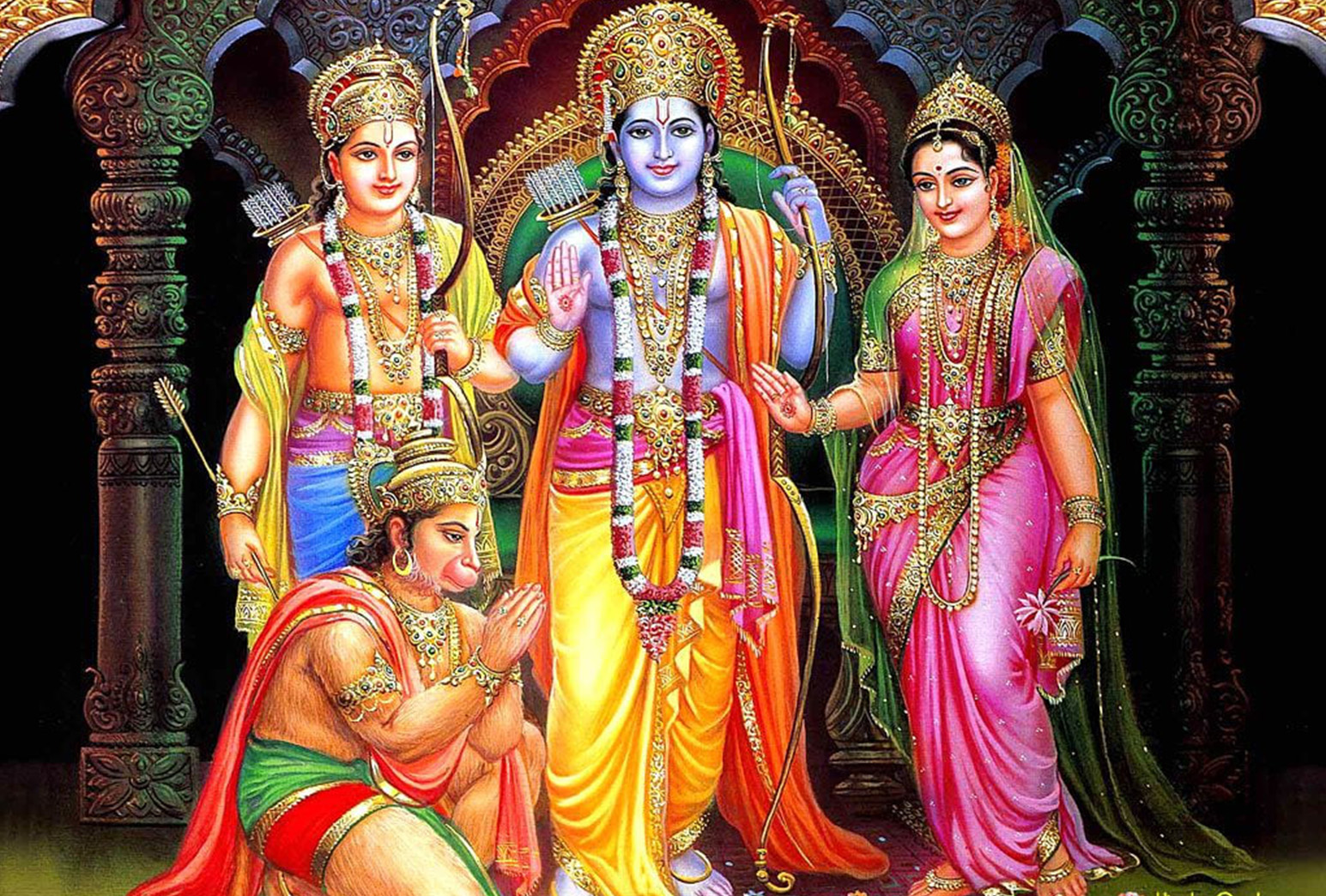
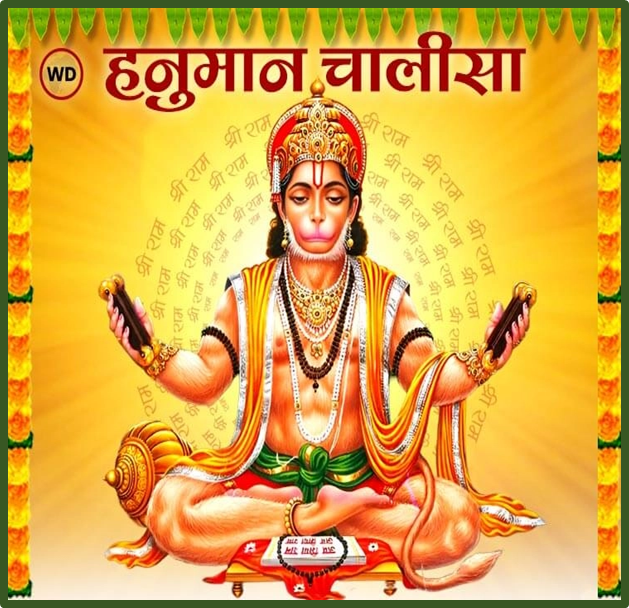
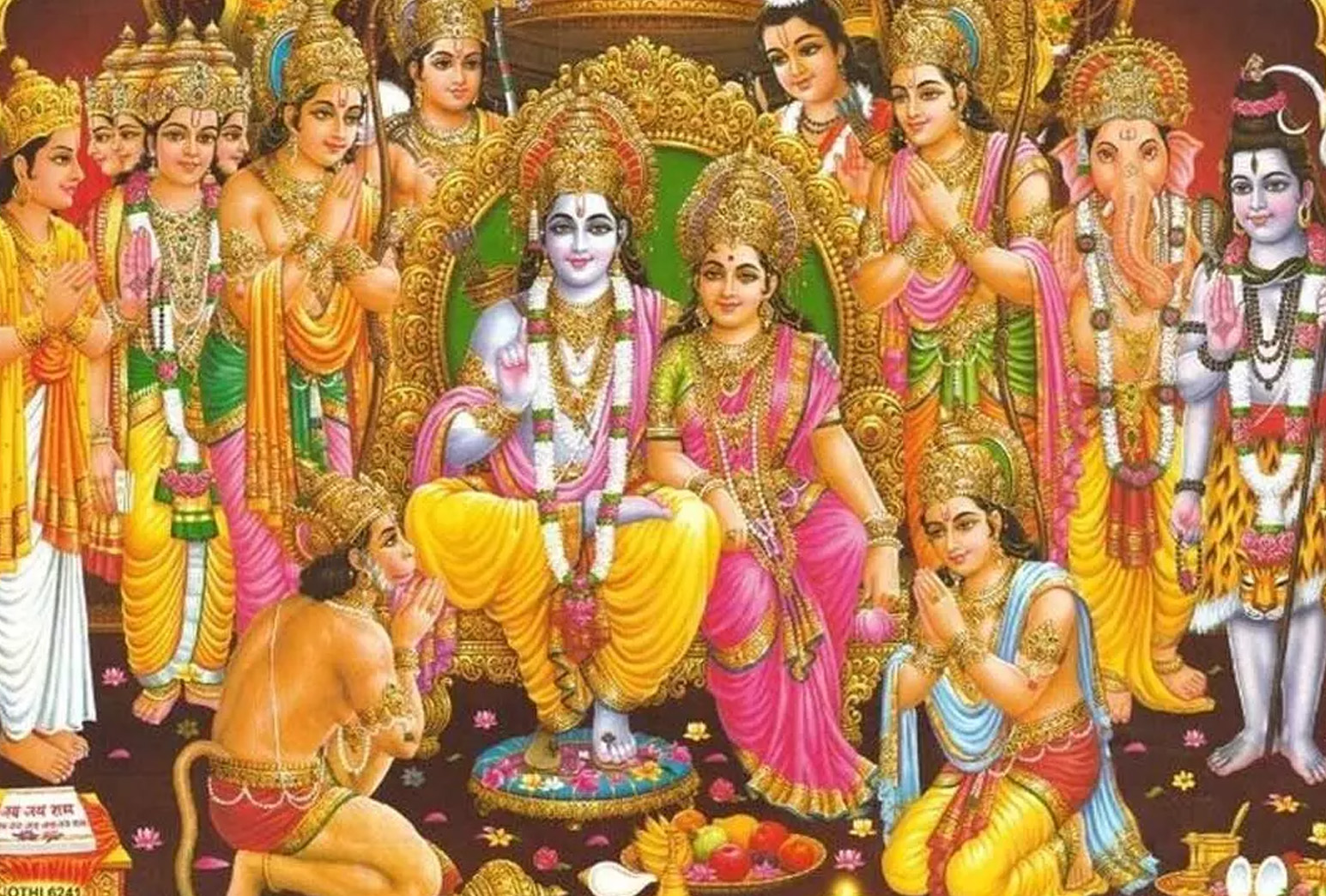
At its core, the Ramayana encompasses a rich tapestry of palace intrigues, valorous battles against demon tribes, and moral quandaries, interspersed with profound philosophical reflections and ethical discourses on duty (dharma). While the Mahabharata presents its characters with a myriad of human flaws and failings, the Ramayana leans towards an idealized vision of virtue: Rama epitomizes the quintessential son and sovereign, Sita embodies the ideal wife, Hanuman stands as the paragon of devotion, and Lakshman and Bharat exemplify the virtues of brotherhood.
Even Ravana, the formidable antagonist, is portrayed with a degree of complexity that prevents him from being entirely vilified, illustrating the epic’s nuanced exploration of morality and the multifaceted nature of existence. Through its lyrical verses and timeless themes, the Ramayana invites readers to reflect on the essence of duty, righteousness, and the eternal struggle between good and evil, encapsulating the profound wisdom of human experience.
Enroll