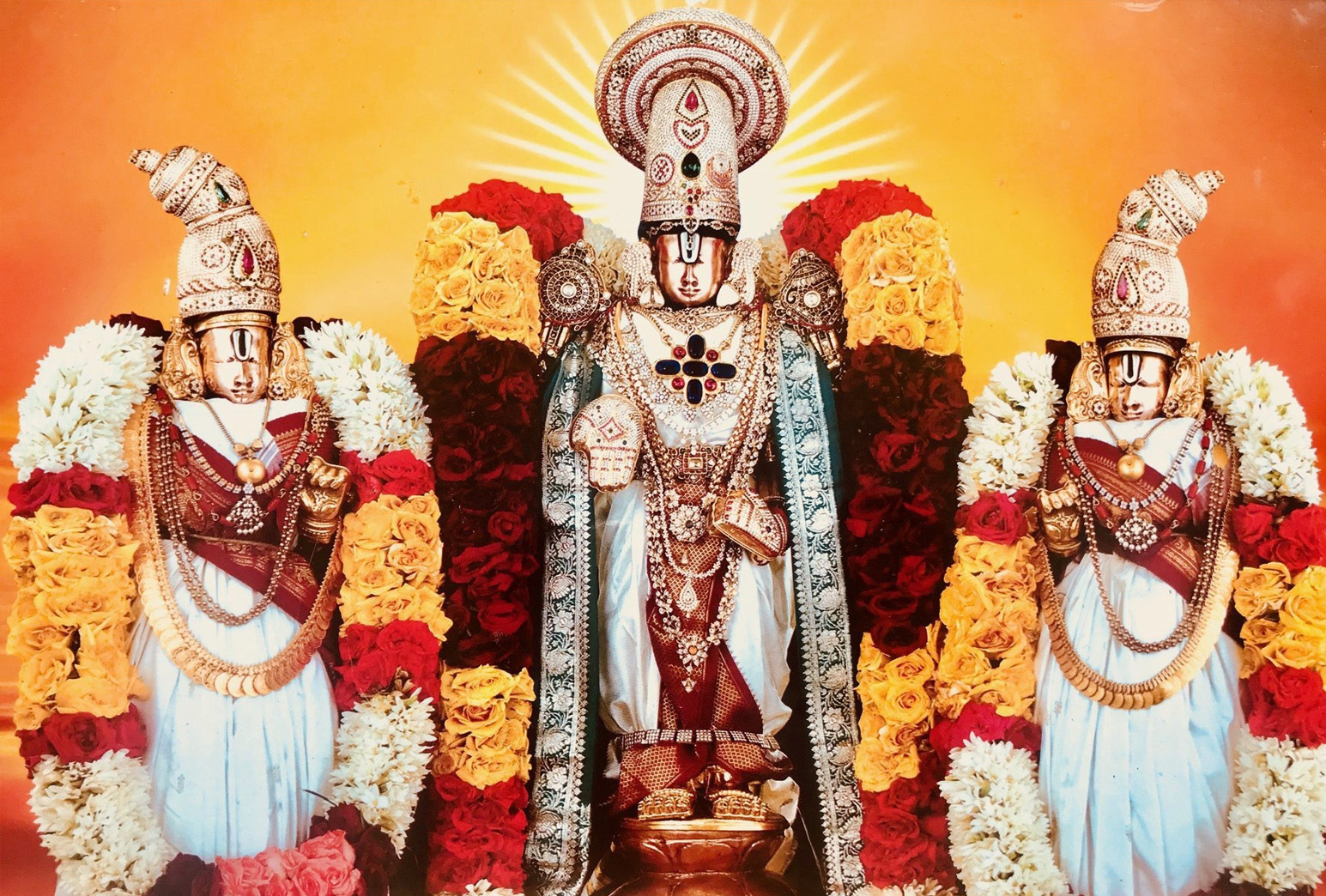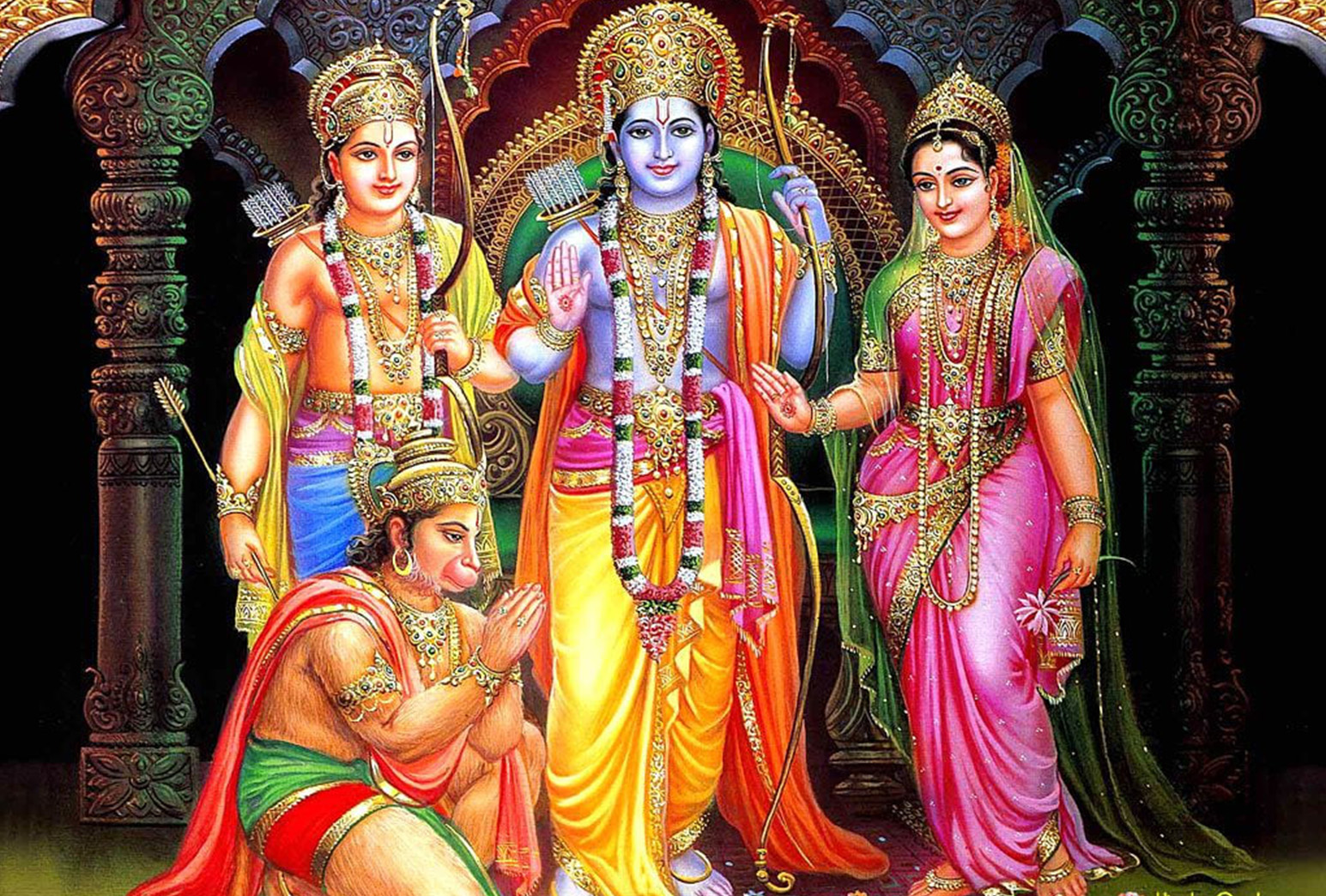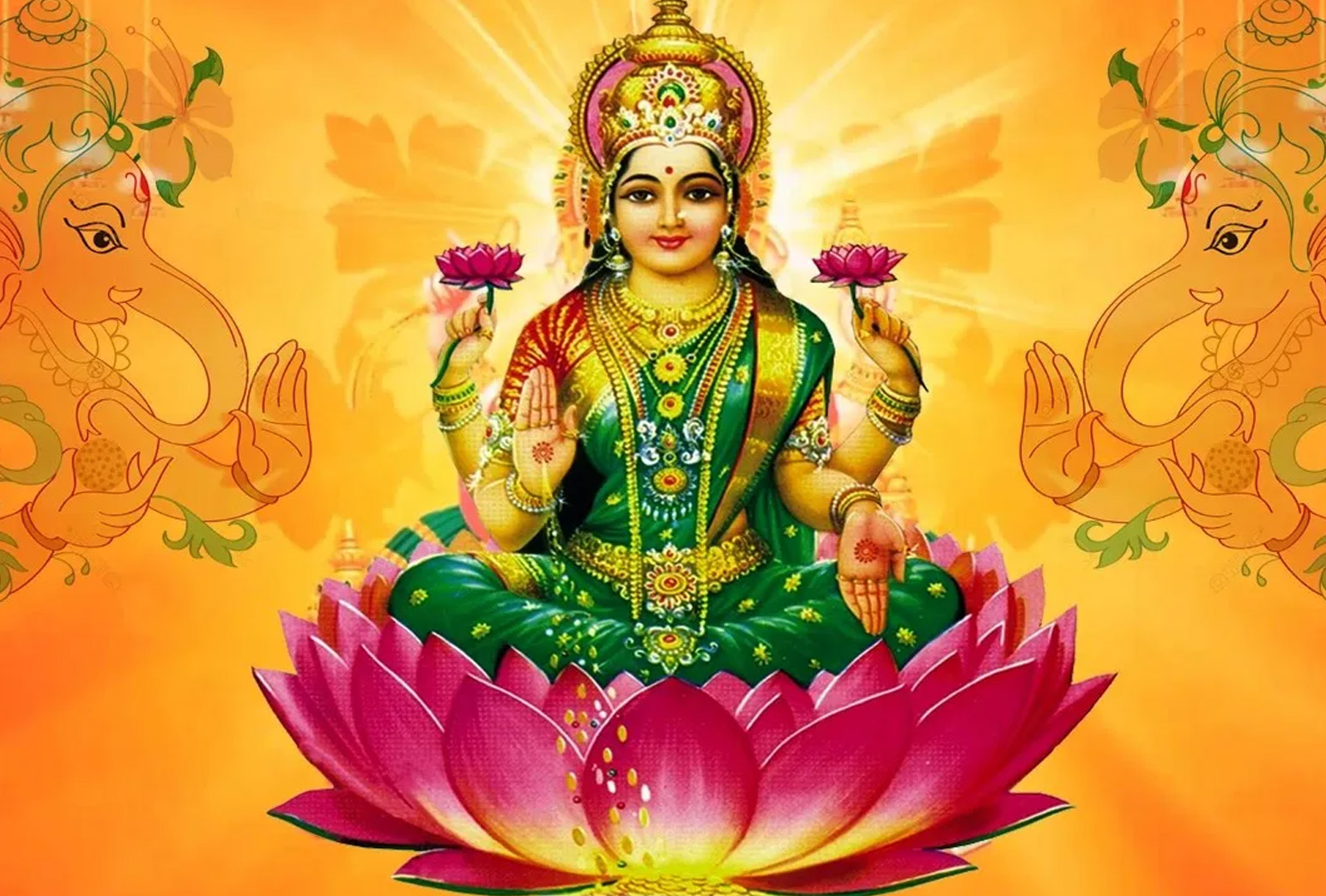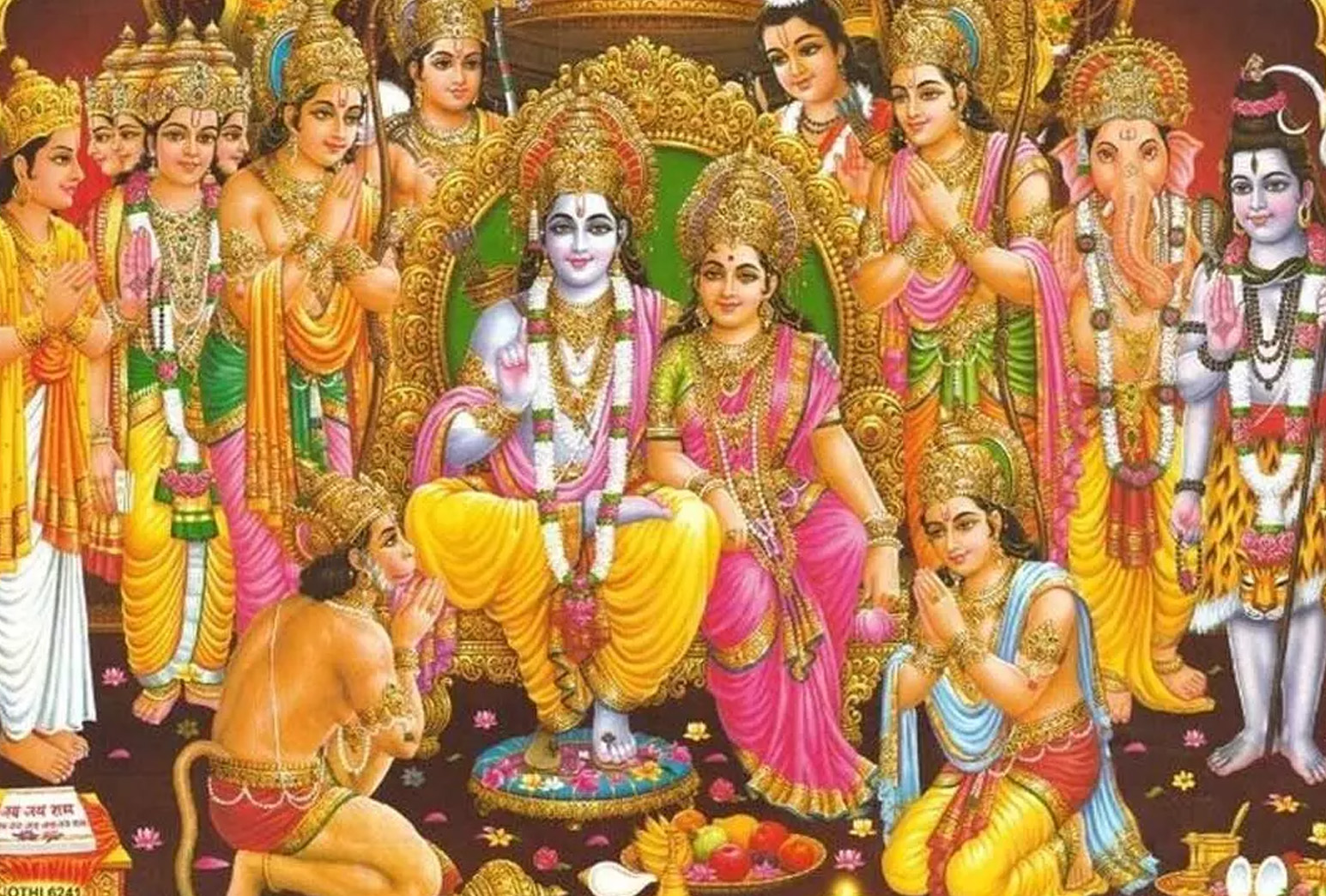







In Vedic cosmology, the number 108 is emblematic of creation, encompassing the universe and our collective reality. Hindu philosophy posits that external cosmological truths should mirror internal spiritual states, reflecting our inherent unity. The significance of 108 extends to the divine, as all Hindu deities possess 108 names, each bestowing tranquility upon the practitioner when chanted, facilitating a profound sense of relaxation throughout the senses.
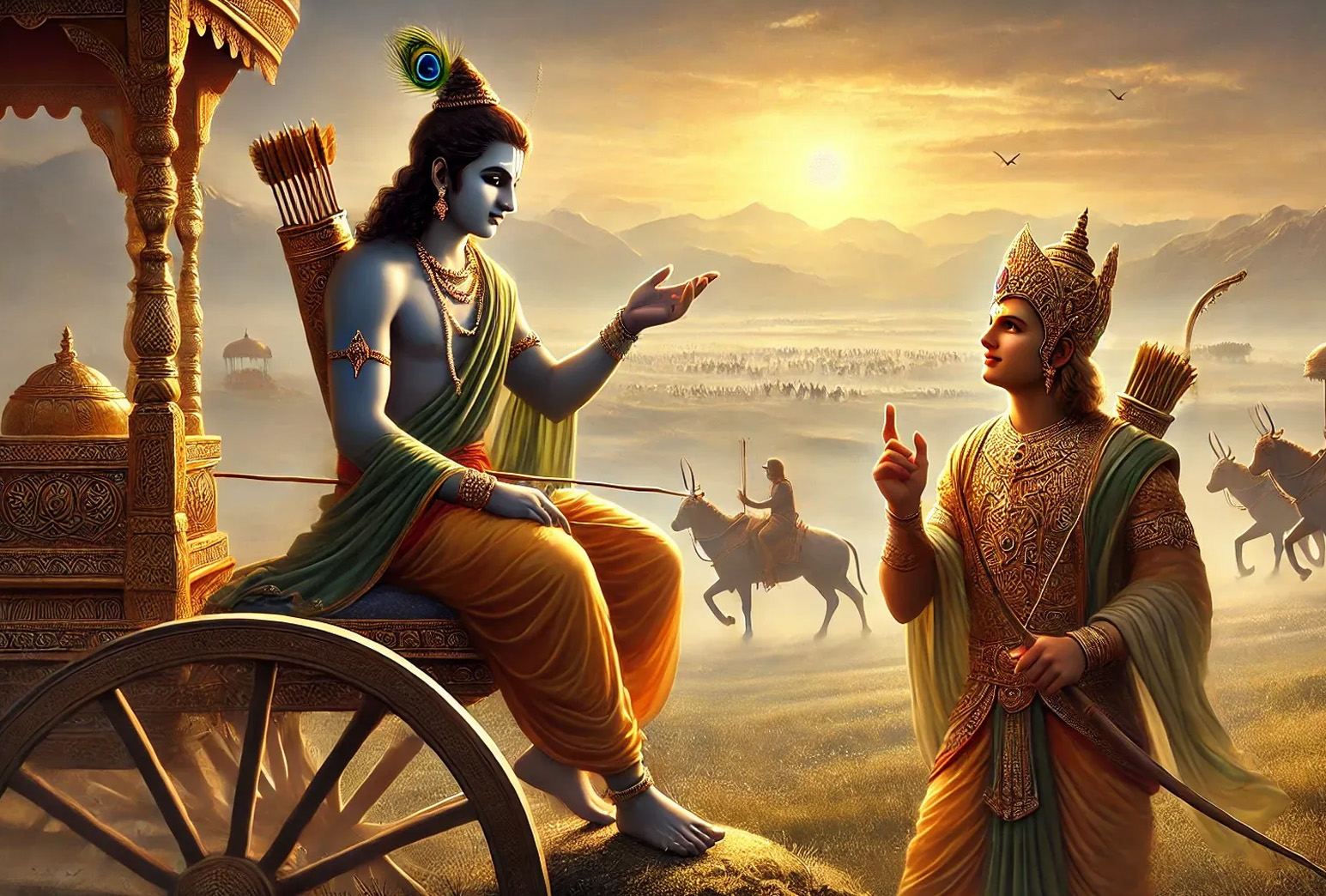
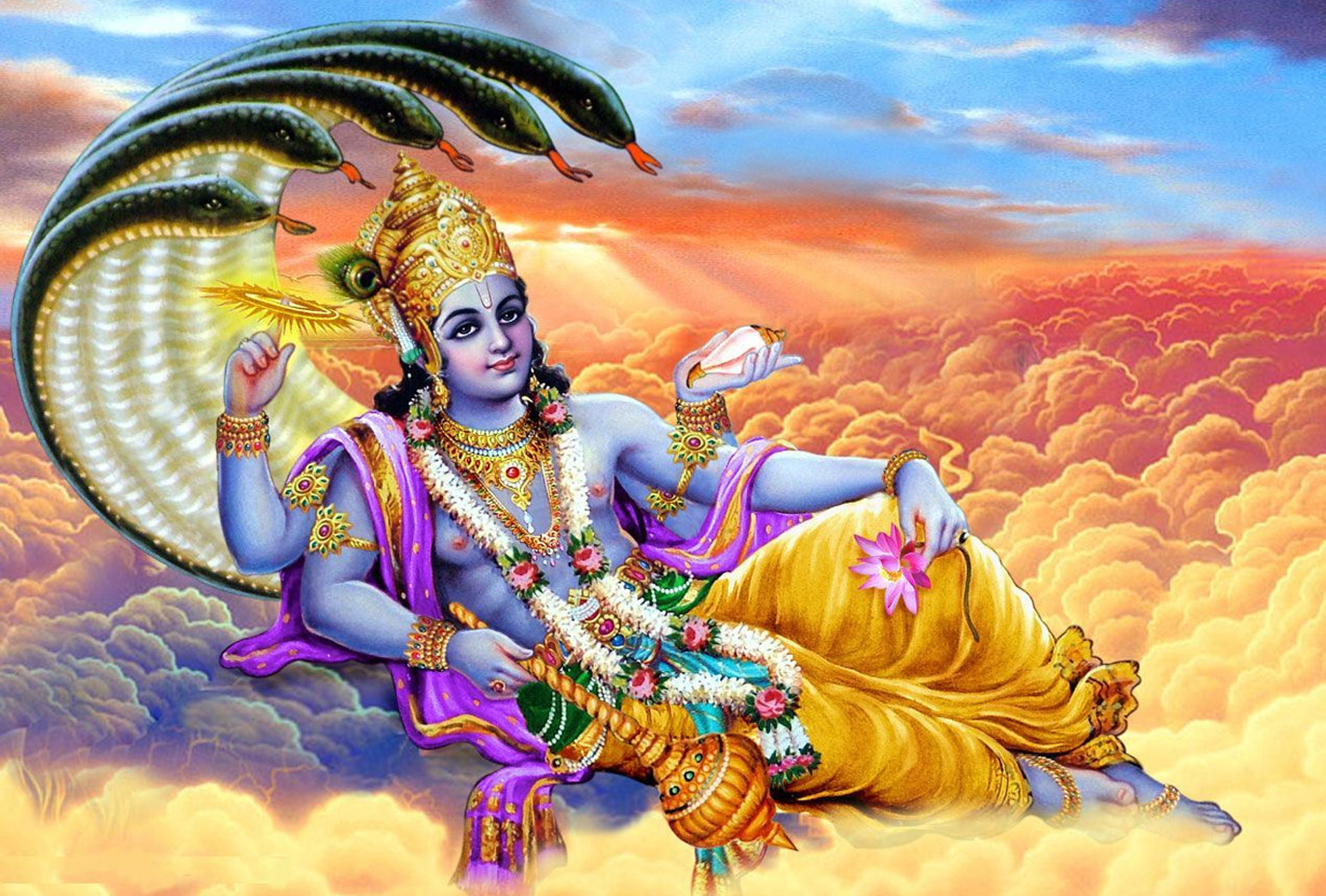
Reciting these 108 names generates vibrations that resonate within the body, reverberate through the world, and ultimately echo throughout the universe when repeated multiple times. Lord Vishnu, recognized for His boundless nature and limitless deeds, embodies numerous names—approximately 1,000 encapsulated in the revered Vishnu Sahasranamam. This hymn, found in the 135th chapter of the Anushāsanaparva of the Mahabharata, consists of a compendium of Vishnu’s names and attributes, imparted to Yudhishthira by the dying Bhishma on the battlefield of Kurukshetra.
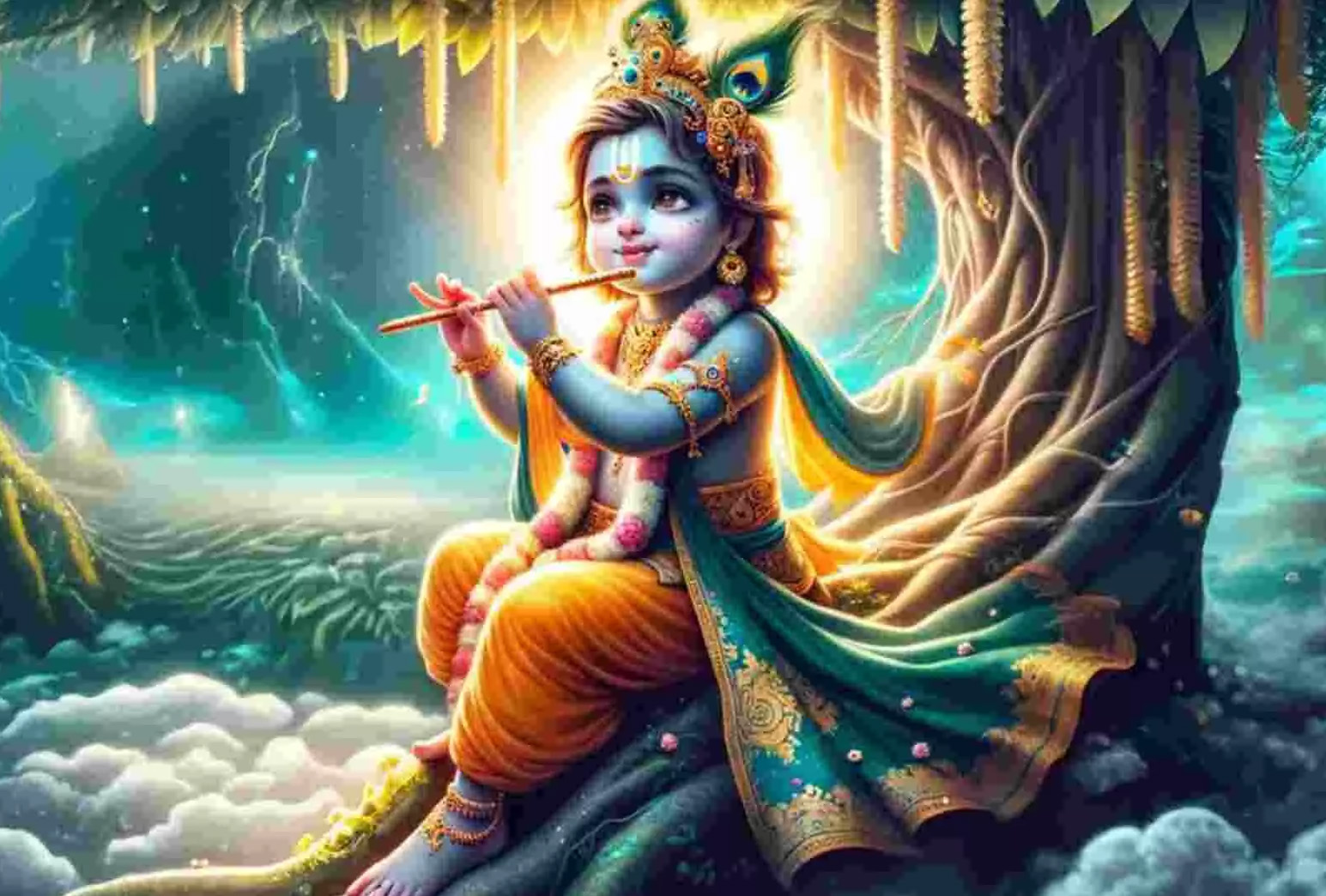
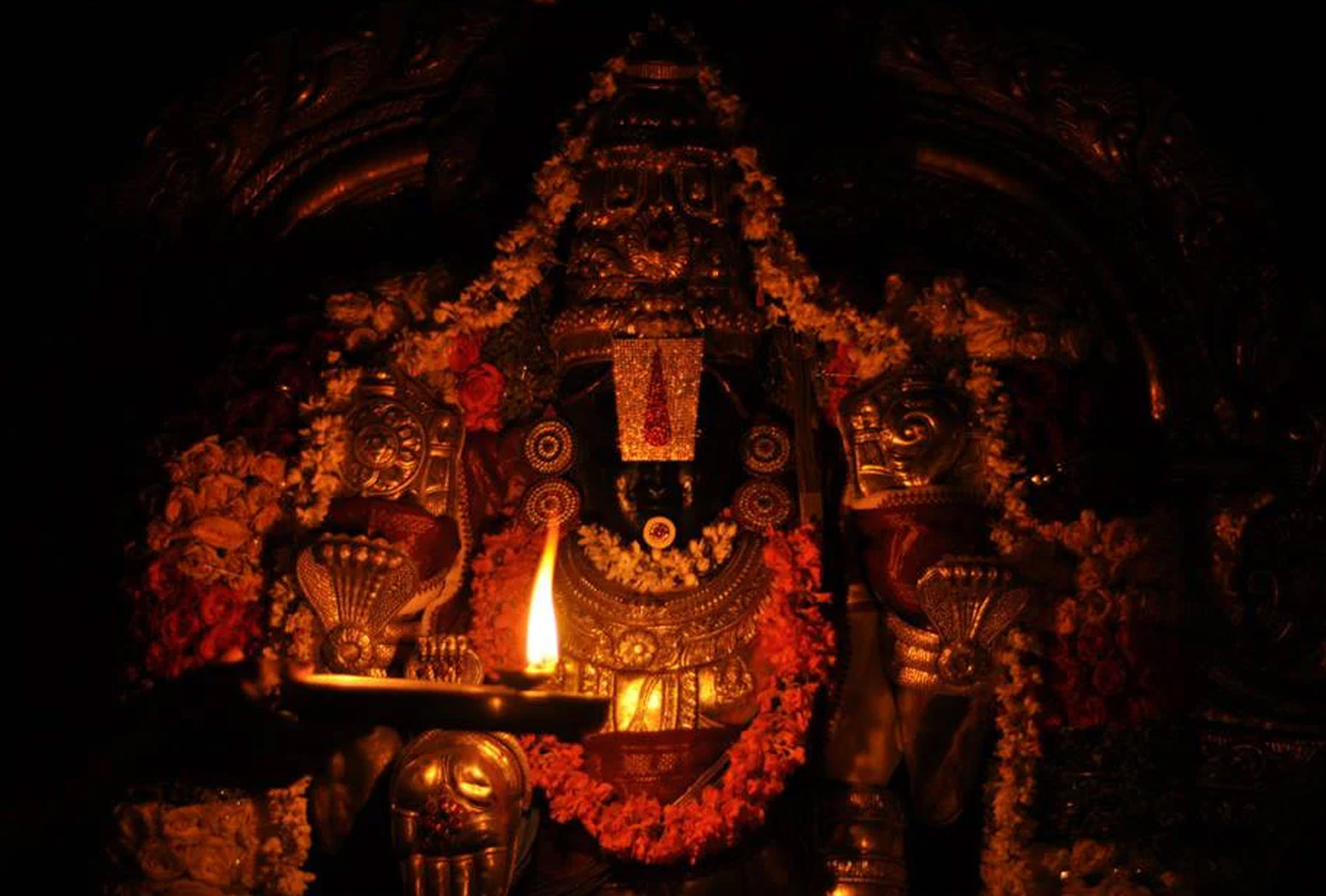
Bhishma conveys to Yudhishthira, also known as Dharma Putra, that daily recitation of the Vishnu Sahasranamam liberates humanity from sorrow. The infinite wonders of Lord Vishnu, or Krishna, surpass even the capacity of Ananta-sesa, who with his thousand mouths, cannot fully articulate the divine glories that have existed since the dawn of creation. Thus, the Vishnu Sahasranamam serves as a sacred tool for spiritual liberation and connection to the divine.
Age Criteria: 7+ years
Enroll